
You open your electricity bill, glance at the total, and immediately think: “There’s no way this is right.”
But then it happens again next month. And the month after that.
Electricity bills across Washington, D.C. have been climbing, and for many households and businesses, it’s starting to feel like a fluctuation and more like a pattern.

So what’s really going on?
The truth is, rising electricity costs aren’t caused by just one thing. They’re the result of several changes happening at once. Some local, some national, and some that most people never even see. In this article, we will break down exactly why your electricity bill may be increasing, what is happening behind the scenes, and what you can do to take back control.
Before diving into the “why,” it is important to understand the scope of the issue. Electricity bills in Washington, D.C. have been steadily rising over the past few years, with many residents noticing significant increases even when their usage hasn’t changed much. This is happening because your is not just based on how much electricity you use. It is influenced by supply costs, infrastructure investments, market demand, and regulatory changes.
In other words, even if you’re doing everything “right,” your bill can still go up.
What Actually Makes Up Your Electricity Bill?
Most people look at their electricity bill as one total number. But, behind that number there are multiple working components. Here’s a simplified breakdown of what is actually happening behind the scenes:
● Supply charges are the cost of generating electricity. It takes time, labour, and resources to generate the power used to fuel your daily activities. Changes in the electricity generation process can cause your rate to spike unexpectedly.
● Delivery charges are the cost of transporting the electricity to your home through means of hydro lines.
● Taxes and fees include government and regulatory costs.
● Adjustment charges refer to fluctuations based on demand and market conditions. For example, an electricity shortage or a sudden spike in electricity usage can both impact adjustment charges.
When any one of these components increase, your total bill goes up even when you’re not using more energy.
Aging Infrastructure Is Expensive To Maintain
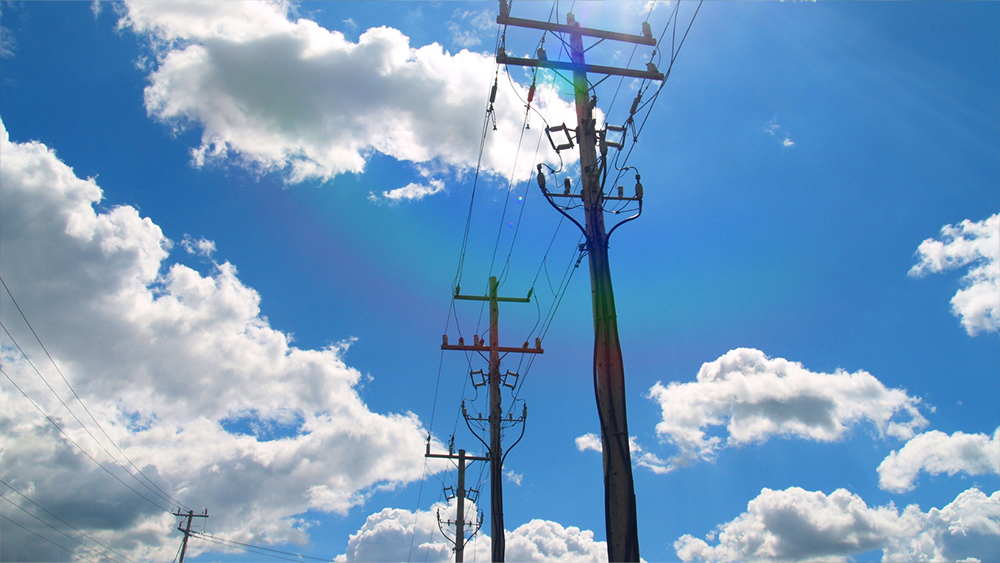
A large portion of the electrical infrastructure in the United States is decades old, and in order to keep electricity reliable, utility companies need to stay on top of several components: replacing aging equipment, upgrading transmission lines, and modernizing the grid.
These upgrades aren’t just for show. They are necessary in order to support the energy needs of residents in the community. But, it doesn’t come cheap. Which brings us to one simple point: Those costs are often passed on to customers through higher rates and charges.
So while improvements are happening behind the scenes, making our lives easier, they are also contributing to rising monthly bills.
Energy Supply Costs Are Fluctuating
Electricity does not come from a single source. As technology has advanced, we have found both renewable, and non-renewable energy sources such as natural gas, nuclear energy, solar power, wind turbines, and more.
The cost of producing this electricity depends heavily on fuel prices, especially natural gas. When fuel costs rise, electricity becomes more expensive to generate. That increase is then reflected in your bill. This is one of the reasons why your electricity costs can change even when your usage is staying the same.
Policy Change And Clean Energy Investments
Washington, D.C. is a leader in clean energy initiatives, which is a positive step toward a more sustainable future. However, transitioning to cleaner energy can come with short-term costs such as investment in renewable infrastructure, incentive programs, and grid modernization to support new energy sources.
These changes are designed to reduce environmental impact and create long-term stability; but in the short term, they can contribute to higher electricity rates depending on your supplier.

What You Can Do To Lower Your Electricity Bill
While you can not control market conditions, there are ways to reduce your costs. Here are some practical steps:
● Adjust your thermostat by a few degrees to reduce heating and cooling costs. We are not saying to let your house become sweltering hot, or freezing cold, but adjusting to a more neutral temperature can make all the difference on your next electricity bill.
● Use energy-efficient appliances where possible. This can even look like switching to cold water loads for your washing machine.
● Unplug devices when they are not being used. The glowing light on household technology and appliances is using up energy even when the device isn’t being used.
● Run major appliances during off-peak hours to get the most bang for your buck.
● Seal windows and doors to prevent energy loss. Drafty windows in the winter, and unsealed doors in the summer can make your heating/cooling work twice as hard, so ensuring everything is sealed properly can help keep your energy usage down.
These changes may seem small, but they can add up over time.
There is one more factor that many people often overlook, and it can make a significant difference on your monthly energy bill.

Choosing The Right Electricity Supplier
In Washington, D.C., you have the ability to choose your electricity supplier. So what does that mean?
It means you are not locked into a single option when it comes to pricing, energy sources, and plan flexibility.
Many people stay with their default utility supply without realizing that they have alternatives that may better fit their needs. And in a time when electricity prices are rising, your choice of supplier can have a real impact on your monthly costs.
Take us, for example. We work hard to make sure our customers are getting the lowest rate possible, especially in a time when everything feels so expensive. If you’re interested, compare your current rate with what we are offering in your area. Prefer our rate? Then make the switch in as little as two minutes. No hassle, just an energy plan that better suits your needs.

Final Thoughts: You’re Not Imagining It, But You’re Not Powerless Either
Rising electricity bills are real, and they’re driven by a combination of demand, infrastructure, market conditions, and long-term energy transitions.
But here is the important takeaway: You still have control over how you respond.
Understanding why your bill is increasing is the first step. Making informed choices about your energy usage, and your supplier, is next.
If you’re looking for a way to better manage your electricity costs while supporting sustainable energy, it may be time to explore options that are designed with both affordability and the future in mind.


0 Comments